
360° Solution

Streamline your contract management

Aujourd’hui, les équipes jonglent déjà entre plusieurs outils pour gérer leurs contrats, rechercher un point de droit ou vérifier une règle applicable.

Perte de contexte
Multiplication des changements d’outil
Ralentissement des cycles contractuels
Risques liés à des IA peu fiables ou non gouvernées
La solution

Ce que GinLaws change concrètement

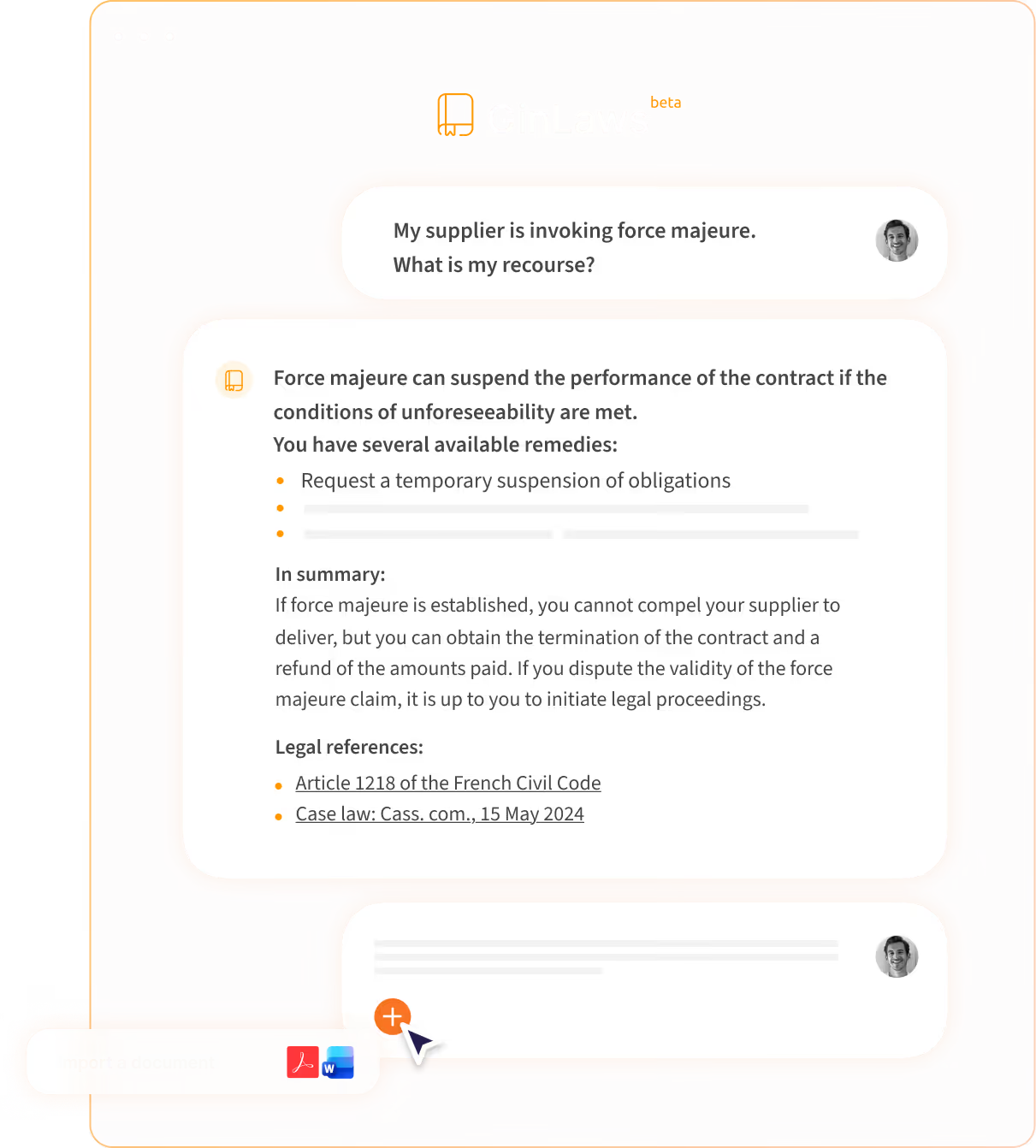
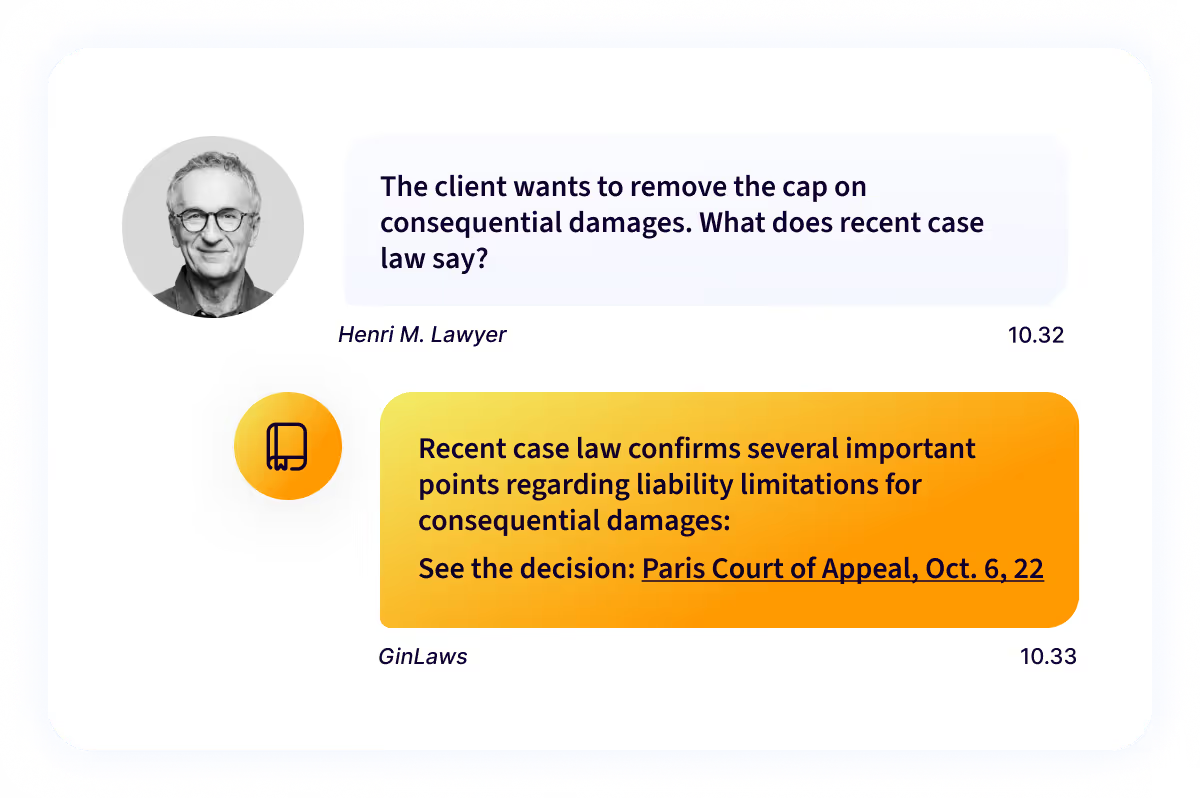
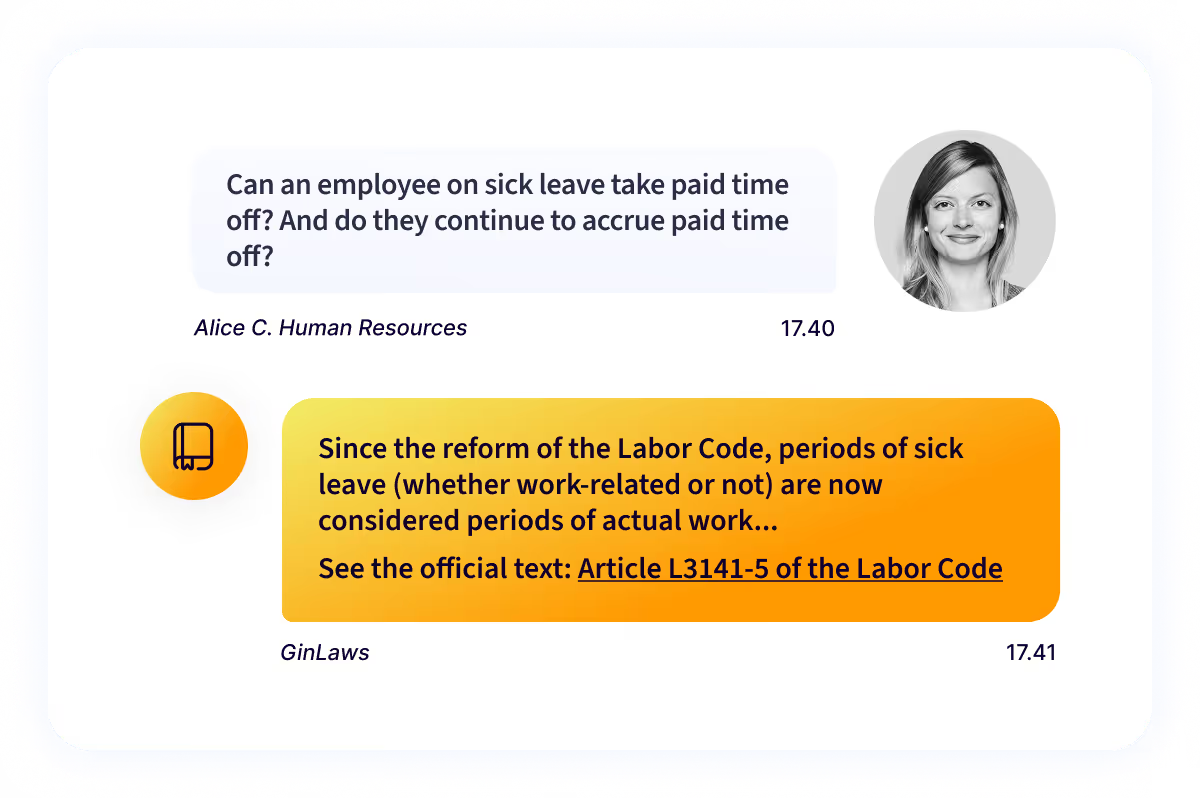
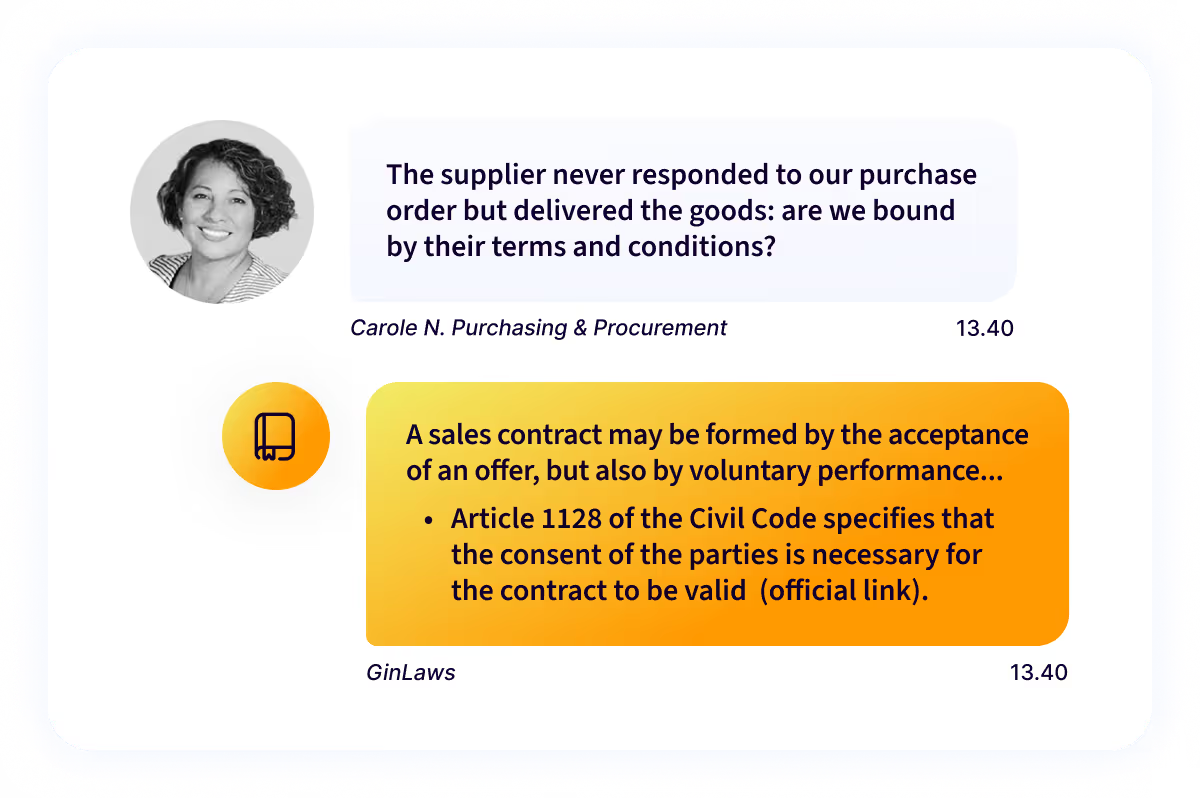
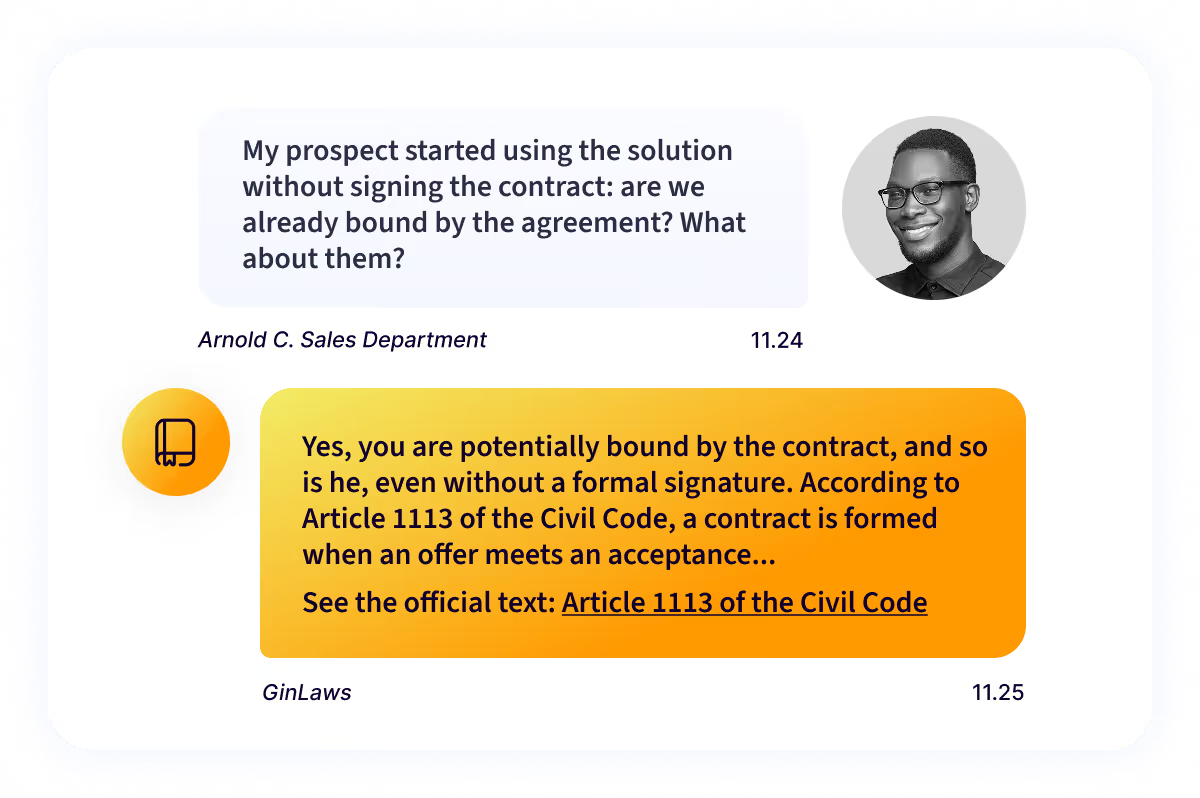
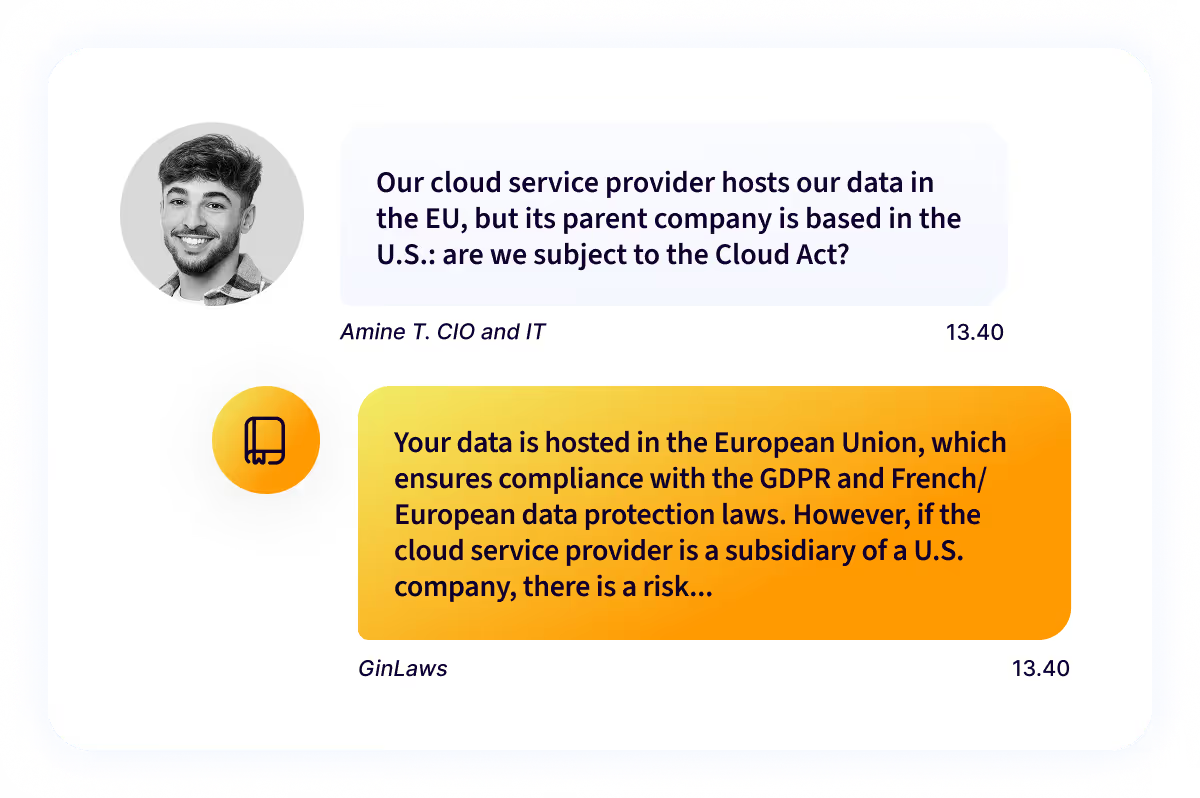
Si vous avez une question juridique, vous pouvez la poser directement dans Gino en langage naturel. GinLaws analyse votre situation, recherche les textes et jurisprudences applicables, puis restitue une réponse structurée et vérifiable à partir des sources officielles françaises.

Avant

Quitter Gino pour rechercher un point de droit
Trouver un article puis l’interpréter soi-même
Utiliser des IA généralistes avec des sources non fiables
Solliciter systématiquement le juridique
Rechercher dans un outil séparé du CLM
Utiliser des IA généralistes peu fiables pour des questions juridiques
Partager des données sensibles dans des IA sans garanties de confidentialité

Avec GinLaws

Poser la question directement dans Gino
Obtenir une analyse structurée adaptée au cas concret
Accéder à des références vérifiables et des liens officiels
Donner plus d’autonomie aux équipes sur les questions courantes
Garder l’analyse juridique dans le workflow contractuel
Utiliser une IA conçue pour la recherche juridique
Garder les échanges dans un environnement juridique sécurisé

"L’objectif n’est pas de remplacer le juriste, mais de vous permettre d’obtenir une première base d’analyse exploitable sans quitter votre contrathèque."

Delphine Brothelande
Product Manager • Ex-Juriste
Intégrations

Des usages concrets 
pour chaque équipe

De la direction juridique aux équipes opérationnelles, GinLaws aide chaque profil à accéder plus rapidement à une analyse juridique exploitable selon le contexte métier de chacun.

Direction juridique

Juristes et directions juridiques

  • VĂ©rifiez rapidement une règle applicable
  • Recherchez une jurisprudence rĂ©cente
  • PrĂ©parez une première analyse juridique
  • Retrouvez facilement l’historique des Ă©changes prĂ©cĂ©dents

Moins de recherches dispersées et moins de temps perdu à reconstituer du contexte.

Rh & Social

Ressources humaines

  • VĂ©rifiez une procĂ©dure RH ou un dĂ©lai applicable
  • Retrouvez rapidement une règle conventionnelle
  • Clarifiez une obligation sociale ou rĂ©glementaire

Moins de recherches dispersées et moins de temps perdu à reconstituer du contexte.

Achats

Achats et commerciaux

  • VĂ©rifiez un dĂ©lai de paiement ou une clause contractuelle
  • Identifiez un point de vigilance avant nĂ©gociation
  • Comprenez rapidement les risques associĂ©s Ă  une clause sensible

Vous limitez les allers-retours avec le juridique sur les sujets de premier niveau.

Opérations juridiques

Legal Ops

  • Centralisez les recherches juridiques dans Gino
  • Conservez un historique exploitable des Ă©changes
  • Encadrez les usages IA dans un environnement gouvernĂ©

Vous évitez la multiplication d’outils isolés et maintenez la continuité des workflows contractuels.

The power of generative AI at the service of your contract management

FAQ

Arrow
What is data sovereignty?

Data sovereignty refers to an organization’s ability to retain control over its data — where it is hosted, who can access it, and under which legal jurisdiction it falls.

In practical terms, this means:

  • your data is hosted in a defined country or legal area (typically within Europe)
  • it cannot be accessed by foreign authorities without an appropriate legal framework
  • you maintain control over how the data is accessed and processed

Data sovereignty goes beyond hosting alone. It also includes the providers involved, the applicable laws, and how data flows are managed.

‍

‍

‍

Arrow
Why is sovereignty critical in a CLM project?

Contracts contain some of the company’s most sensitive information: intellectual property, commercial terms, strategic commitments, and confidential business data. Protecting them is therefore essential.

With regulations such as the US Cloud Act and the strengthening of European frameworks (GDPR, Data Act), questions around data access, jurisdiction, and hosting location have become strategic concerns.

Today, sovereignty is a key decision criterion in CLM projects and is often raised early in the selection process by IT and security teams (CIOs and CISOs).

‍

‍

Arrow
Where is my data hosted with Gino?

By default, your contracts are hosted in France on Microsoft Azure infrastructure.

For organizations with stronger sovereignty requirements, Gino also offers a fully sovereign hosting option in France via OVHcloud, certified SecNumCloud by ANSSI.

‍

‍

Arrow
How does Gino address sovereignty requirements?

Gino gives you full control over your hosting architecture.

You can choose between Azure or a fully sovereign infrastructure hosted in France via OVHcloud, helping reduce exposure to extraterritorial regulations and data access risks.

‍

‍

Arrow
How does Gino protect my data?

Security is built into the platform by design.

Your data is fully isolated, access is strictly controlled, and every action is tracked through detailed audit logs to ensure complete transparency.

‍

Arrow
Who can access my contracts?

You control access rights according to your organization’s structure: by role, team, or entity.

Each user only has access to the data relevant to them, and every action is fully tracked through detailed audit logs.

‍

‍

Arrow
Is AI using my data?

No. Your contracts are never used to train AI models.

With Gino, you choose your AI provider (Mistral, OpenAI, or Microsoft), and AI features can be disabled at any time.

AI remains an assistance tool designed to support analysis, always under human supervision and control.

‍

‍

Arrow
Should legal teams avoid free generative AI tools (e.g. free ChatGPT)?

Yes, for any professional use involving sensitive or company data.

With most free versions, submitted data may be used to train the underlying models. From a legal and confidentiality standpoint, this creates a built-in risk by design.

Organizations should instead rely on:

  • Enterprise versions
  • Private AI environments
  • Solutions that contractually guarantee data isolation and no training on customer data (“opt-out” policies)

For legal teams handling sensitive contractual information, these guarantees are essential.

‍

‍

Arrow
How can you verify whether an AI solution truly complies with the EU AI Act before full enforcement?

Start by asking the provider for clear technical and transparency documentation.

A trustworthy vendor should be able to explain:

  • how the model was evaluated for bias and reliability
  • how training data was sourced
  • what safeguards are in place for security and compliance

If a provider refuses to share this information under the pretext of “trade secrets,” it should be considered a warning sign.

‍